The real southern Utah: slot canyons, waterfalls, swimming holes, and a ghost town — all from one address in the Virgin River valley
Most people who come to Zion stay in Springdale and see the main canyon. It's extraordinary, so they leave satisfied — but they rarely realize that the best version of a southern Utah trip extends well beyond those six miles of canyon floor.
La Verkin, a small town in the Virgin River valley 15 minutes west of Springdale, is the right base for the full picture. You're equidistant from Zion's south entrance and the separate Kolob Canyons entrance off I-15. The Kolob Terrace Road starts at Virgin, five minutes up the highway. St. George and Snow Canyon are 25 minutes south. Kanarra Creek Falls — one of the best slot canyon hikes in Utah, and one that most Zion visitors have never heard of — is a 20-minute drive. Bryce Canyon is a 90-minute drive, close enough for a checkout-day stop.
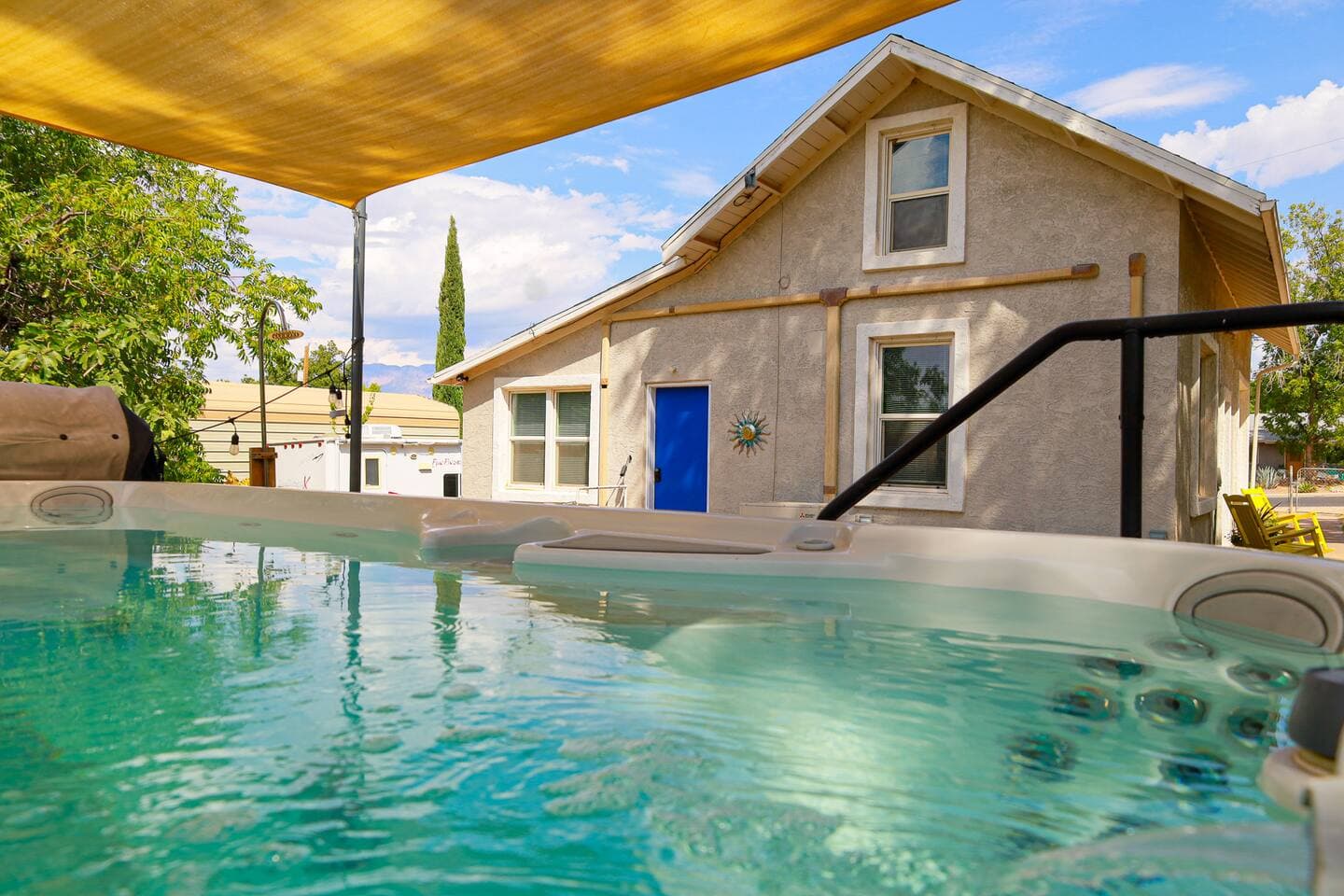
The 1924 Western Farmhouse sits in that valley, a genuine pioneer-era property that predates the national park designation by four years. Here's how four perfect summer days unfold from here.
Day 1: The Narrows
Start with the big one. The Narrows bottom-up hike begins at the Temple of Sinawava — the last shuttle stop in Zion Canyon — and you wade upstream from there. The Virgin River is the trail. The canyon walls close in to 20 feet in places while rising 1,500 feet above. The light shifts constantly as the sun moves across that narrow strip of sky.
Gear up the night before
Stop at Zion Outfitter in Springdale to rent neoprene socks, waterproof boots, and dry pants. Pick up at 7 AM. The shuttle to the Temple of Sinawava leaves from the visitor center — be on an early one to beat the crowds.
In summer, the water is cool and low enough to move fast. If your group has the legs for it, push all the way to Orderville Canyon — a side slot that cuts off the main Narrows and rewards those who make it with a completely different character of canyon, narrower and more intimate. For those who'd rather take it easier, the paved River Walk from the trailhead to the start of the wading section is one of the most beautiful easy walks in any national park.
Coming out of the river in the afternoon, you have two things left to do. The first is Grafton Ghost Town: cross the Virgin River on Bridge Road in Rockville (signed from the highway), follow the dirt track five miles, and walk through one of Utah's best-preserved pioneer settlements. The adobe buildings are crumbling slowly back into the desert, the cemetery holds families who farmed this valley in the 1860s, and almost nobody goes — it's free, takes an hour, and tends to hit people harder than they expect.
Dinner in Springdale: Oscar's Café. It's been feeding Zion hikers for decades, it's unpretentious, and the green chile is the right thing after a day in the river. Eat outside if the evening cools.
Day 2: Kanarra Creek Falls + Kolob Canyons
Most Zion itineraries ignore both of these. That's a mistake.
Kanarra Creek Falls is 20 minutes from La Verkin, just outside the town of Kanarraville. The hike follows a slot canyon cut by the creek — you wade through shallow water between red rock walls, climb a series of log ladders, and arrive at a pair of waterfalls that feel genuinely remote despite being an easy 4-mile round trip. In summer heat, the water is the point: the slot keeps temperatures 20 degrees cooler than the surrounding desert. Start early, by 7 or 8 AM, before the parking lot fills. Permits are required and sell out — book at kanab.gov at least a week ahead.
After the canyon, get lunch in Kanarraville itself. It's a small town with a diner character — nothing fancy, everything good. Then drive 15 minutes north to the Kolob Canyons entrance of Zion National Park.
Kolob Canyons is a completely separate section of Zion — its own entrance off I-15 exit 40, its own visitor center, a fraction of the main canyon's crowds. The Taylor Creek Middle Fork Trail runs five miles round trip through a narrow canyon floor past two historic homesteads, ending at Double Arch Alcove, a cathedral overhang that stops most people in their tracks. It's a legitimate summer hike even in July: the canyon runs north-south and stays shaded long into the morning.

Dinner back in Hurricane at River Rock Roasting Company — good food, good coffee, zero tourist markup, and the kind of local spot that regulars don't always want written about.
Day 3: Swimming Holes
Give everyone a rest day. Southern Utah in summer gets hot, and there's a whole geography of swimming holes that most visitors drive past without knowing they exist.
Confluence Park in La Verkin sits where a creek meets the Virgin River. Walk through and find the hidden beach below — smooth river stones, a rope swing, cold clear water moving fast over the rocks. This is the farmhouse's backyard version of a beach day. Bring a picnic.
Five minutes up the highway, the Virgin River at Sheep Bridge has calm stretches perfect for inner tubing. Bring your own tubes — it's a neighborhood spot, no rentals, no crowds, just locals doing what locals do on hot afternoons. Float for an hour, pull out at the bridge.
If the group wants more: Sand Hollow State Park in Hurricane is 20 minutes away. Red sand dunes meet a reservoir, and the combination is strange and beautiful. Rent paddleboards, swim out to the cliff jumping rock, or just float in water that turns the color of the sandstone around it.
Dinner close to home: Red Fort Indian Restaurant in La Verkin. It's a local secret that visitors reliably walk past — and then recommend for years after. The butter chicken and garlic naan are the right answer after a long day in the water.
Day 4: Checkout, Canyon Overlook, Bryce at Sunset
Check out of the farmhouse and head to Bryce Canyon — but there are two ways to get there, and the scenic one is worth it if you have the time.
The fast route is through Cedar City on I-15: straightforward, about 90 minutes. The scenic route goes east through Springdale, through the mile-long Zion-Mount Carmel Tunnel, and out onto the high plateau east of the park. Pull over at the Canyon Overlook trailhead just east of the tunnel — a 1-mile walk to a view that takes in the canyon floor from above the Great Arch, with almost no one else there since most people don't stop on checkout day. Then continue east on Highway 9 to US-89 north to Bryce.
Time it to arrive at Bryce by late afternoon. The hoodoos — thousands of limestone spires in pink and orange and white — change completely in the last two hours of daylight, and the Rim Trail from Sunrise Point to Sunset Point catches it all. It's an easy, paved walk along the canyon's edge. You don't need to descend into the hoodoos on this visit (though the Navajo Loop is there if energy allows) — the rim at golden hour is its own thing entirely.
“The farmhouse predates the national park by four years. It was here before Zion became a destination, and it still feels that way.”
About the Farmhouse
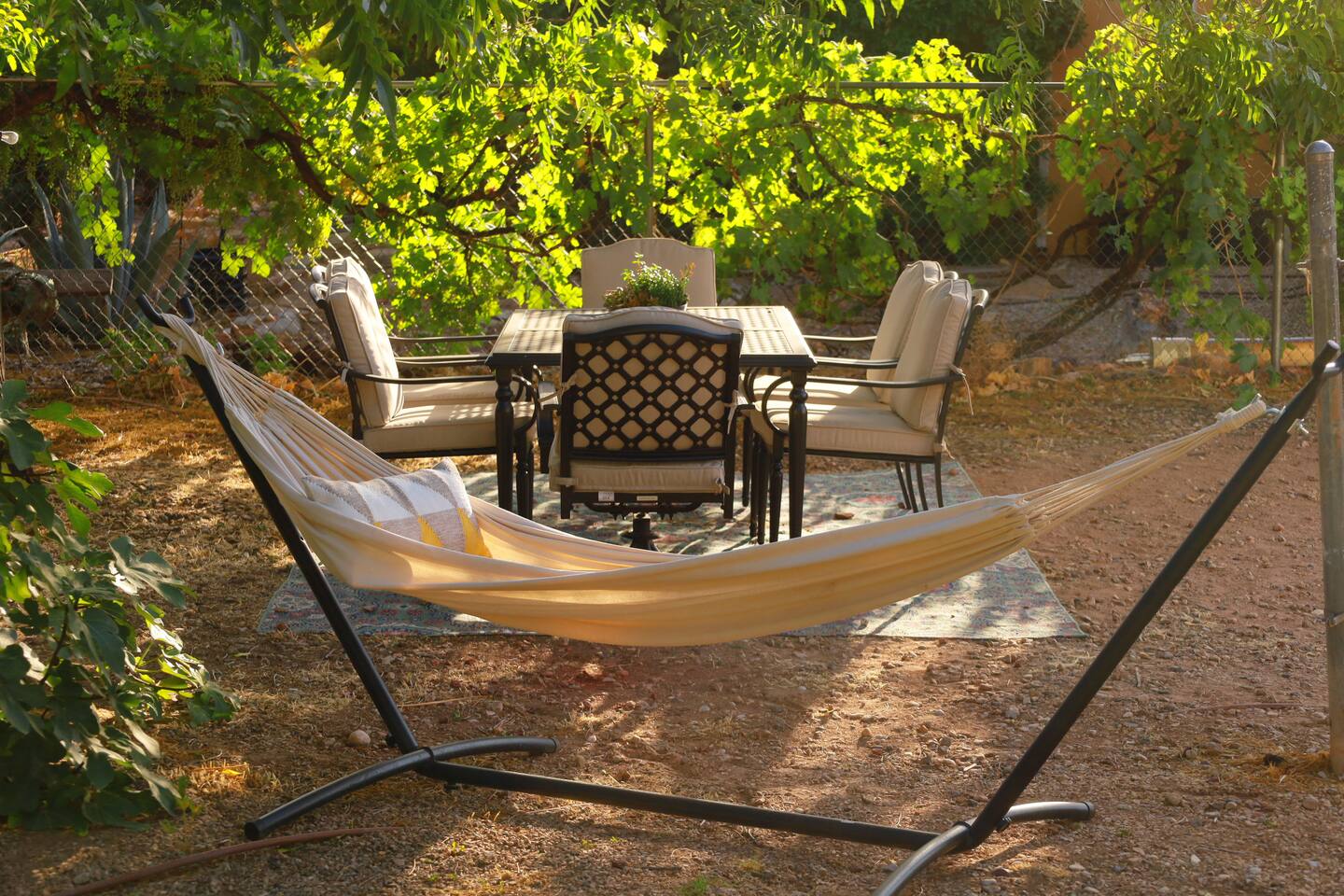
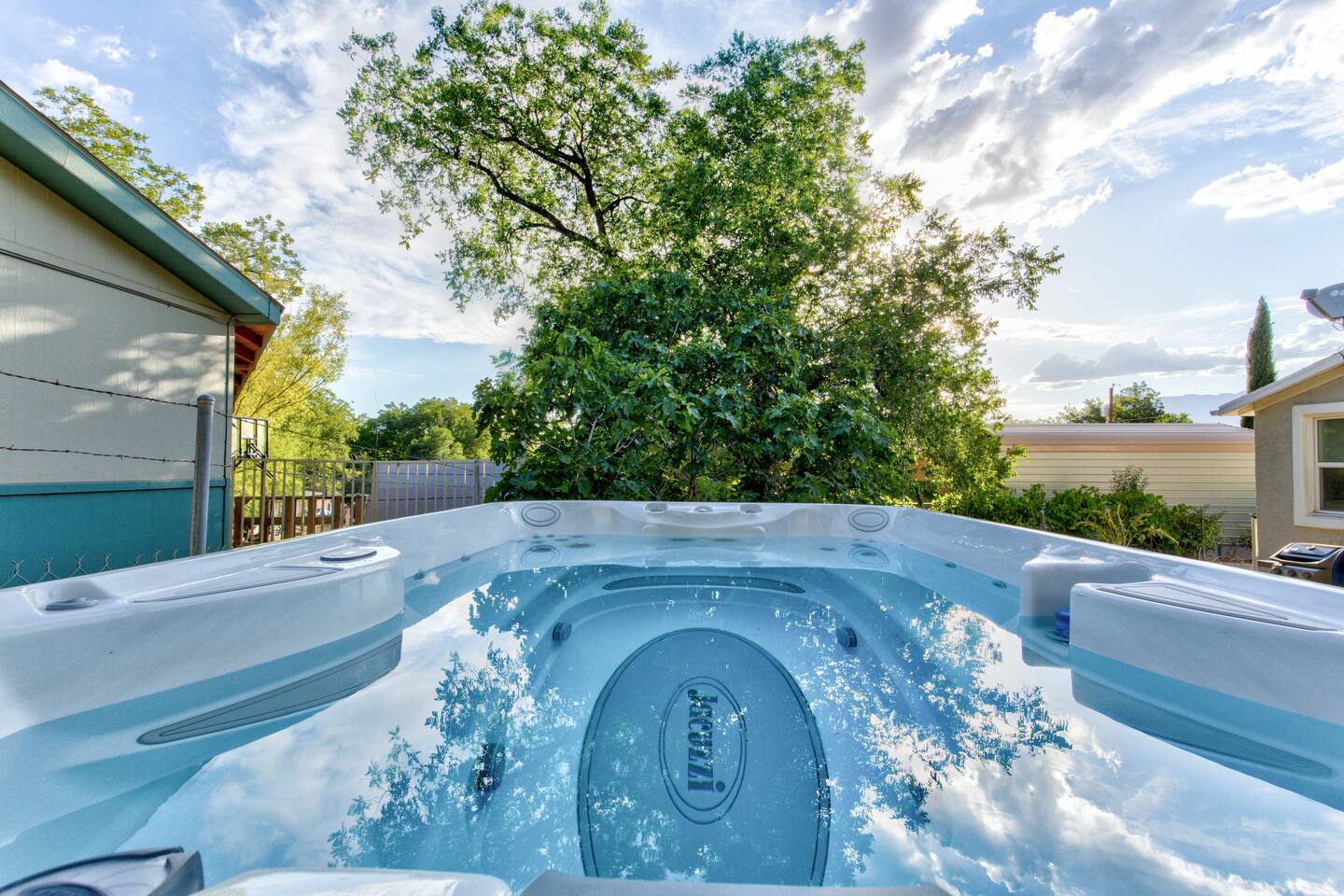
The 1924 Western Farmhouse earns its keep in both directions: it's the right place to come back to after a hard day, and the right place to leave from in the morning. Original pine floors, a cast-iron gas stove, a swim spa that runs as a hot tub or plunge pool depending on what your legs need. Fig and pecan trees in the yard (pick whatever's in season). A fire pit under some of the better dark skies in Utah. After four days in the canyon country, it's the kind of place that makes you want to book another week.